Renewable Energy
Biogas Pakistan
A waste-to-energy plant planned for the Lahore region, converting rice straw, market waste, slaughter waste and sewage sludge into methane — and methane into electricity, jobs and clean air.
Explore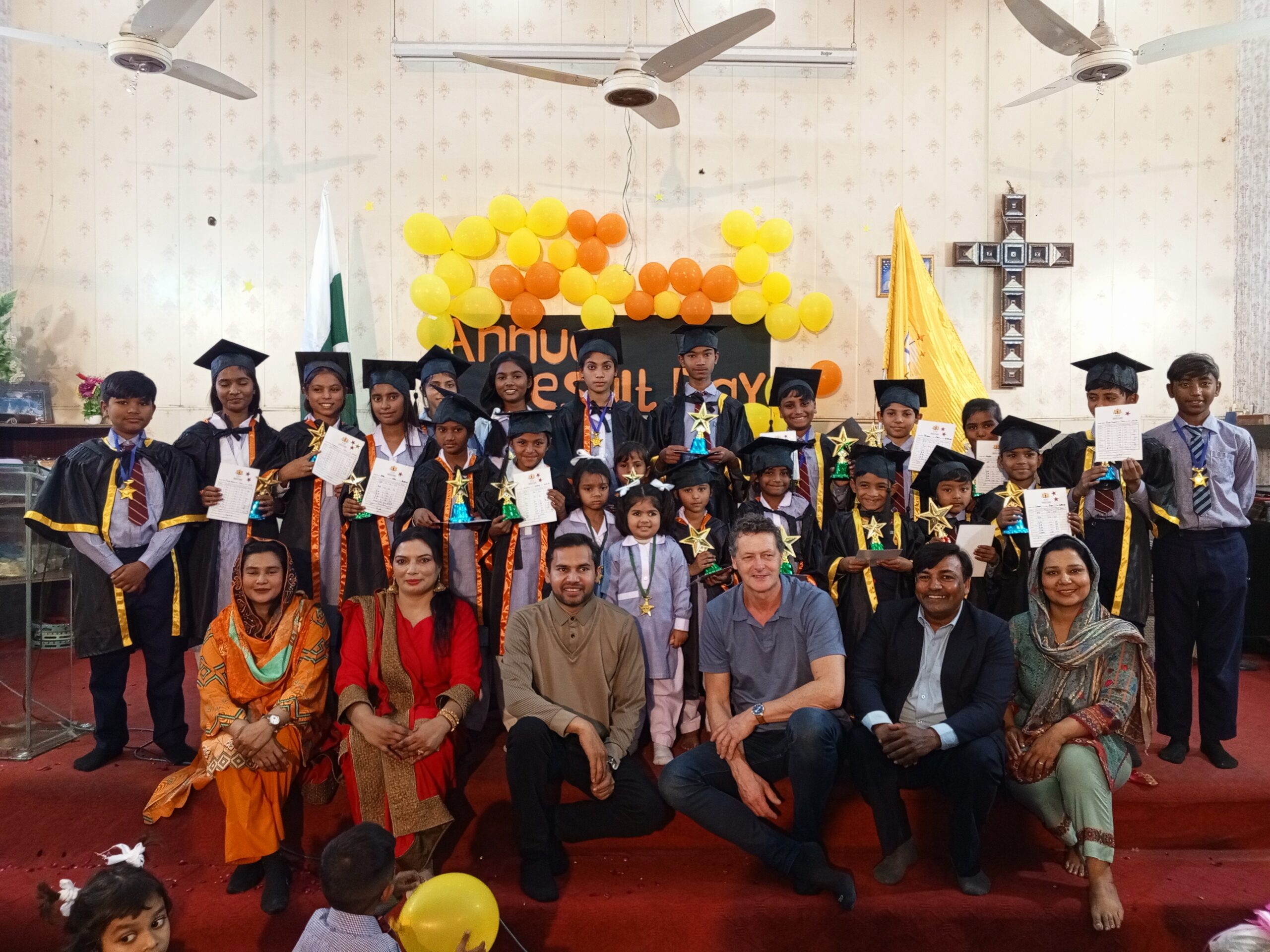
Entrepreneur. Reverend. Chairman.
I build businesses in Pakistan and spend what they earn on schools, clean water and freedom from bonded labour.
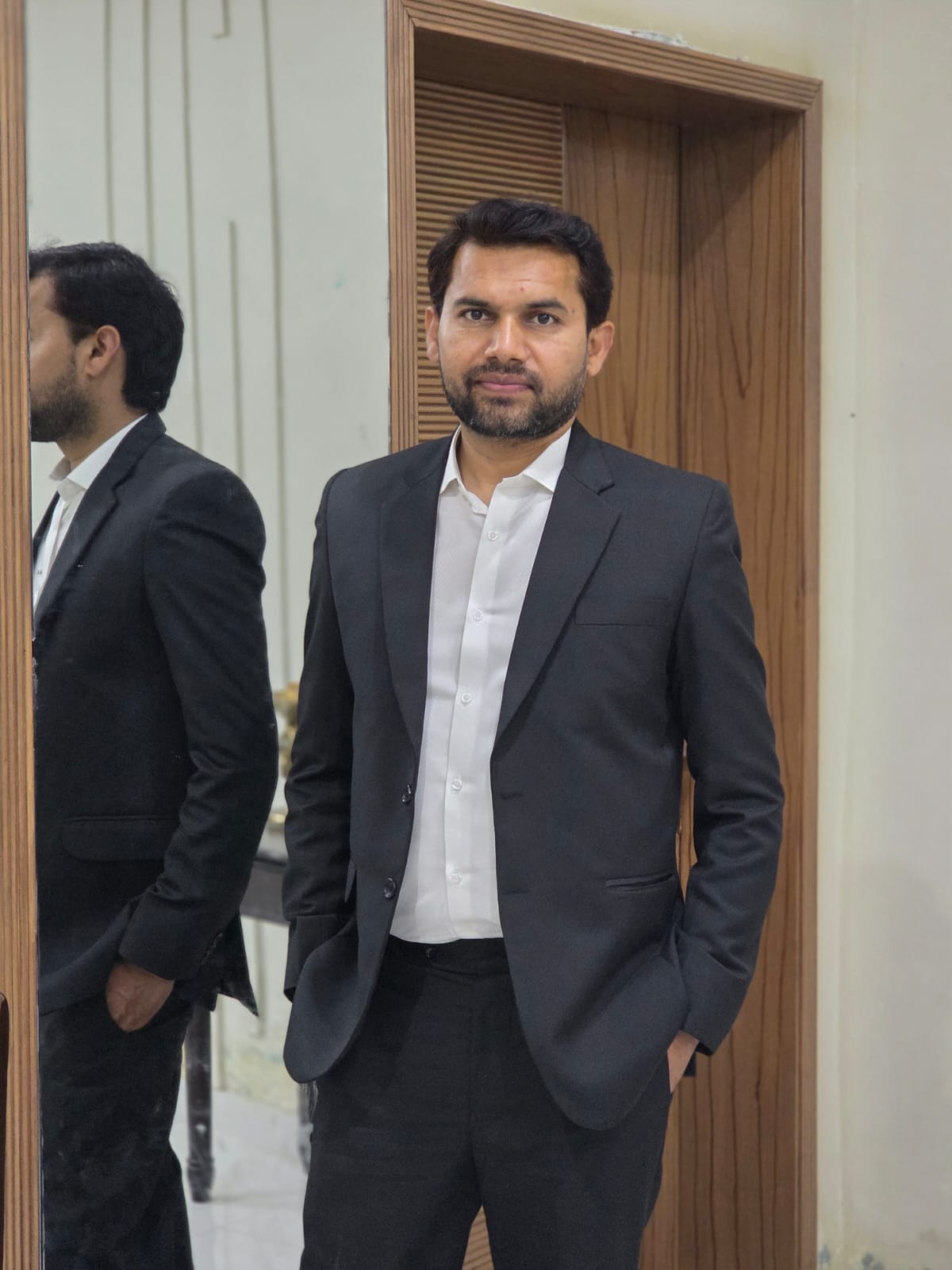
Roger Z. Moon
Managing Director, Woerden Enterprise · Chairman, Woerden Welfare
Most charities depend on the next donation arriving. I built businesses instead — and pointed their profits at the problem.
“A charity that lives on donations closes when the donations stop. I would rather own the business that funds the classroom.”
I run two things that most people would keep apart. On one side, Woerden Enterprise: four companies turning agricultural waste into electricity, groundwater into safe drinking water, moringa leaf into nutrition, and raw wool into work. On the other, the Woerden Welfare School System: schools that charge nothing, water plants that cost nothing, and a programme that buys families out of the brick kilns.
They are not separate. The first pays for the second. A charity that lives on donations closes when the donations stop — so I would rather own the businesses that fund the classroom than write the letter asking someone else to.
Six areas where I have built something that runs — not consulted on one.
Building companies whose profits are structurally committed to welfare — not as CSR, but as the reason the company exists.
Waste-to-energy project development: feedstock economics, anaerobic digestion, and partnership with Dutch engineering.
Filtration and reverse-osmosis plants — commercial branches that fund free community facilities.
Chairing a five-campus free school system registered with the Government of the Punjab.
Legal aid, relief, housing and schooling for families held in brick-kiln debt bondage.
Working between Dutch capital and technology and Pakistani land, labour and craft.
Energy, safe water, nutrition and craft. Each one exists because something in Pakistan is genuinely missing — and each one employs people who are not easy to employ.
Renewable Energy
A waste-to-energy plant planned for the Lahore region, converting rice straw, market waste, slaughter waste and sewage sludge into methane — and methane into electricity, jobs and clean air.
Explore
Water Infrastructure
Filtered, bottled drinking water produced at Horeb’s own plants and delivered to the door — in a country where 62% of tested water sources came back unsafe to drink.
Explore
Health & Wellness
Moringa oleifera — known in Urdu as sohanjna — grown, milled and pressed in Pakistan into powder, oil and tablets. A genuinely protein-dense leaf, described honestly.
Explore
Artisan Craft
Hand-felted woollen shoes, formed as one seamless piece by women who do the felting better than any machine — from the coarse Pakistani wool that is exactly wrong for a sweater and exactly right for a shoe.
ExploreFree schooling, free water, freedom from bondage, and a way through for students who have the ability but not the means.
EducationFree education for every child
Three active schools, two more opening, 500+ children — and not one of them pays a rupee. Tuition, books, stationery, uniform and a meal, all free.
Read more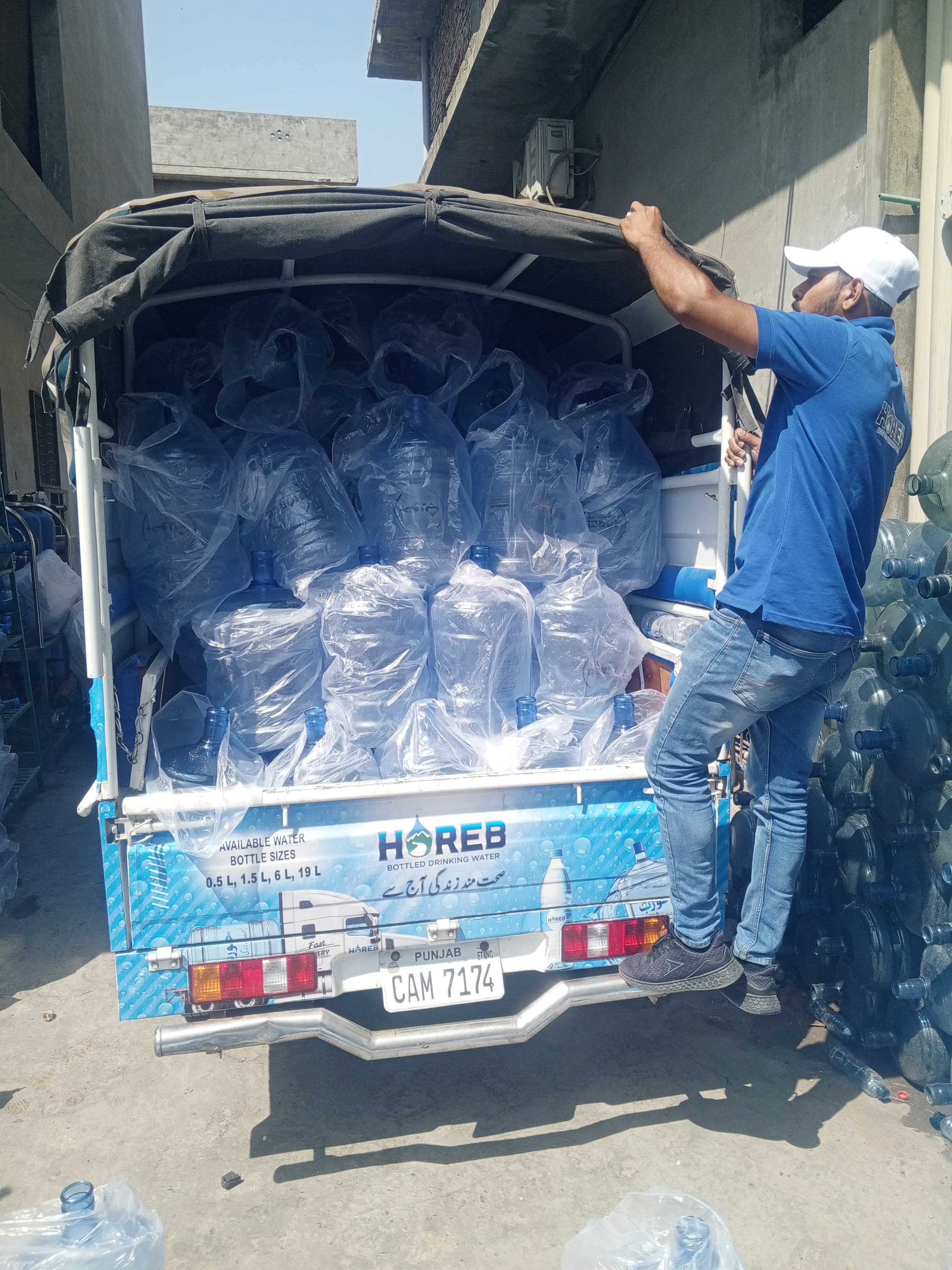 Health & Water
Free drinking water plants
Free drinking water facilities installed in communities that have none — because in Pakistan the tap is not a safe default, and the alternative is disease.
Read more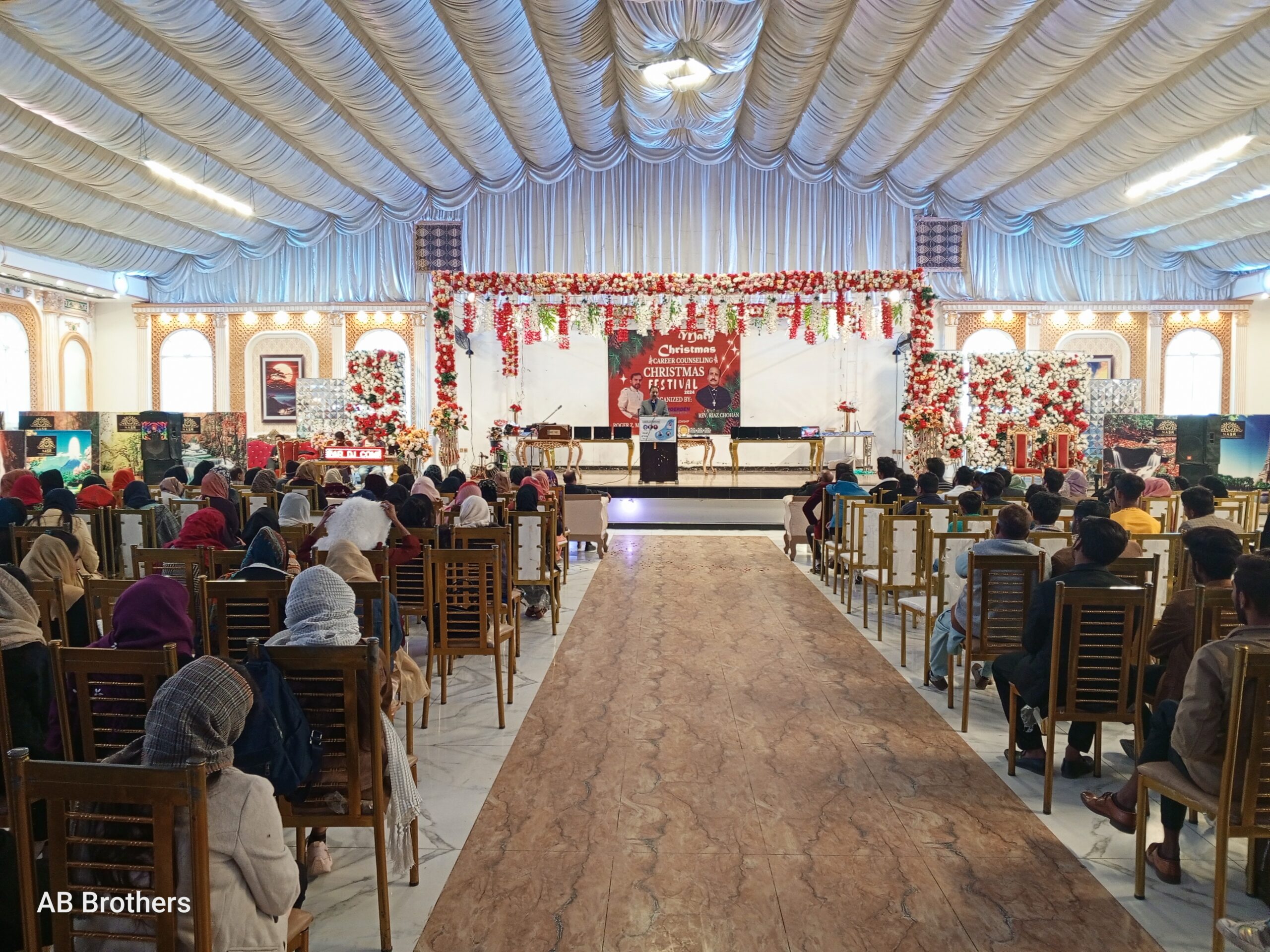 Human Rights
Ending bonded labour
Families are trapped in Pakistan’s brick kilns by a debt that was designed never to be repaid. We pay it off, get them out, and put their children in school.
Read more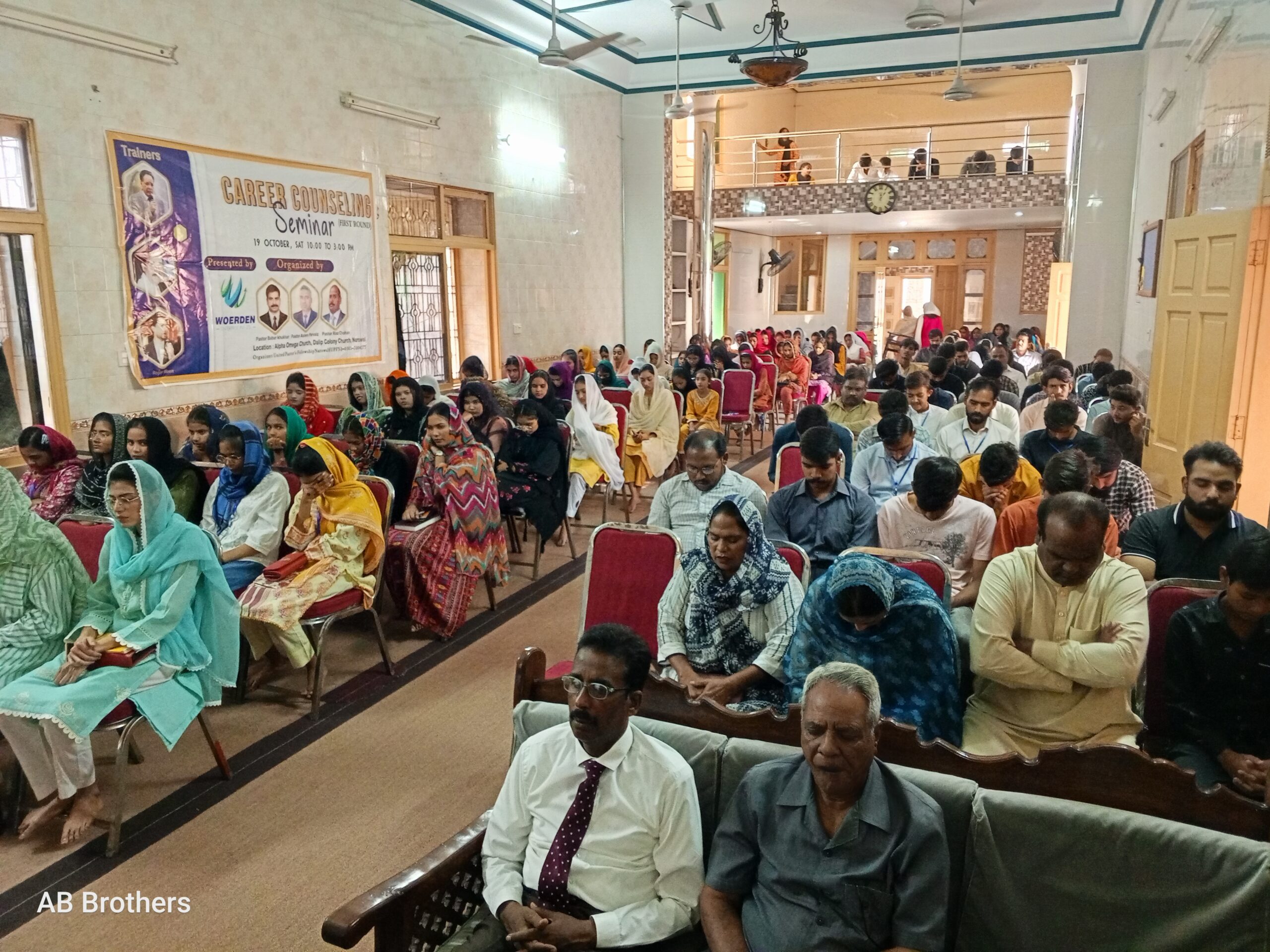 Opportunity
Laptops, degrees and careers
Getting a bright student through school is only half the job. Scholarships, laptops, career counselling and small-enterprise support carry them the rest of the way.
Read more5,000+
Lives transformed
Across every welfare programme
1,200+
Families supported
Education, relief and rehabilitation
50+
Water facilities
Free drinking water points installed
300+
Laptops donated
To students bridging the digital divide
These are not our numbers. They are the country’s — and they are the reason the work is shaped the way it is. Every figure links to its source.
25.1 million
children aged 5–16 are out of school in Pakistan — 35% of that age group, the second-highest number in the world.
UNICEF Pakistan9.7 million
of those out-of-school children are in Punjab alone — the largest number of any province.
UNICEF Pakistan52.8%
female literacy in Pakistan, against 68% for men — the gap our girls’ schooling is built to close.
PSLM / Economic Survey 2024–25~47%
of Pakistanis have access to safe drinking water. The UN puts it plainly: it is unavailable to nearly half the country.
UN in Pakistan267 of 433
water samples tested across 29 Pakistani cities came back unsafe — 62%. The leading cause is bacteriological, then arsenic.
PCRWR, Drinking Water Quality in Pakistan50–60 million
people on the Indus Plain draw groundwater likely to exceed the WHO arsenic limit — eastern Punjab, including Lahore, is worst affected.
Podgorski et al., Science Advances (2017)~27,000
children die every year in Pakistan from diarrhoeal disease linked to unsafe water.
National Library of Medicine~2.35 million
people live in modern slavery in Pakistan — the fourth-highest absolute number in the world.
Global Slavery Index 2023, Walk Free1 million+
men, women and children work in roughly 10,000 brick kilns in Punjab alone.
ILO / APPG for Pakistani Minorities (2024)1992
the Bonded Labour System (Abolition) Act outlawed bondage and extinguished every peshgi debt. Three decades on, the kilns are still full.
Bonded Labour System (Abolition) Act, 1992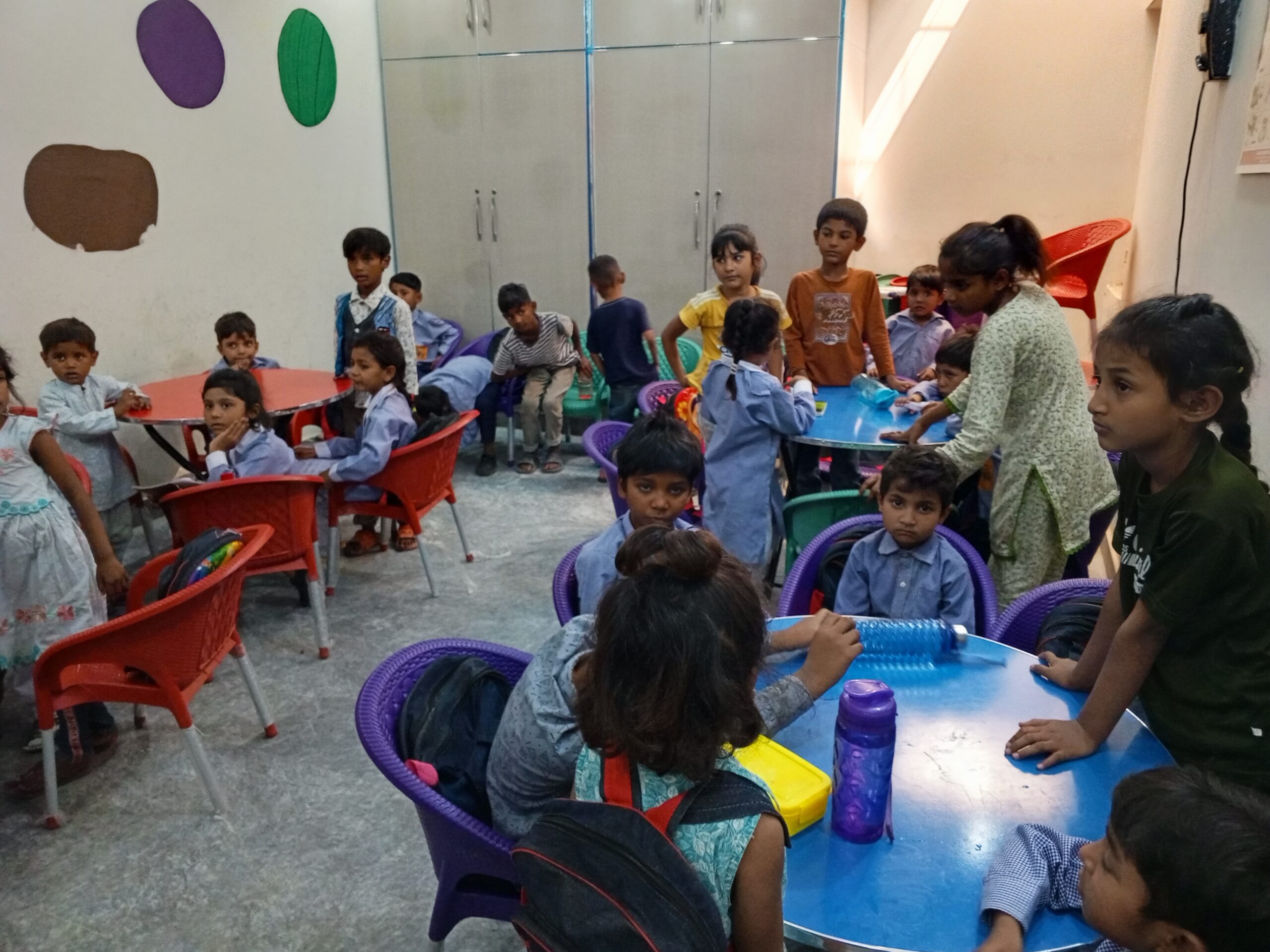
“We were trapped for years in debt bondage at a brick kiln. They helped free our family through legal support and found us proper housing. Our children now go to school.”
“Thanks to the scholarship, I completed my Bachelor’s in Computer Science. My family could not afford the fees. I am now working and supporting them.”
Scholarship recipient
Sponsor a child’s schooling, invest in the biogas plant, stock Horeb or partner on a water facility — the conversation starts the same way.